Maintenance
Parking Lot Sealcoating in Phoenix
Prefer to talk? Call (480) 533-5377
Request a free estimate
Tell us about your property. We take it from there.
What it is
What sealcoating in Phoenix does, and what it does not
Sealcoating is a thin protective layer applied to the surface of asphalt pavement. It slows oxidation from the sun, helps shed water and resists oil and fuel, and gives the lot a fresh dark surface that makes new striping stand out.
It is a surface treatment, not a repair. A seal coat does not fix a failed base, and it does not fill open cracks, which is why cracks are sealed first and failed areas are repaired before any sealer goes down.
Sealcoat is one of several seal treatments. Fog seals, slurry seals and chip seals are different products for different conditions, and we compare them in our guide.
When you need it
When your parking lot needs a seal coat
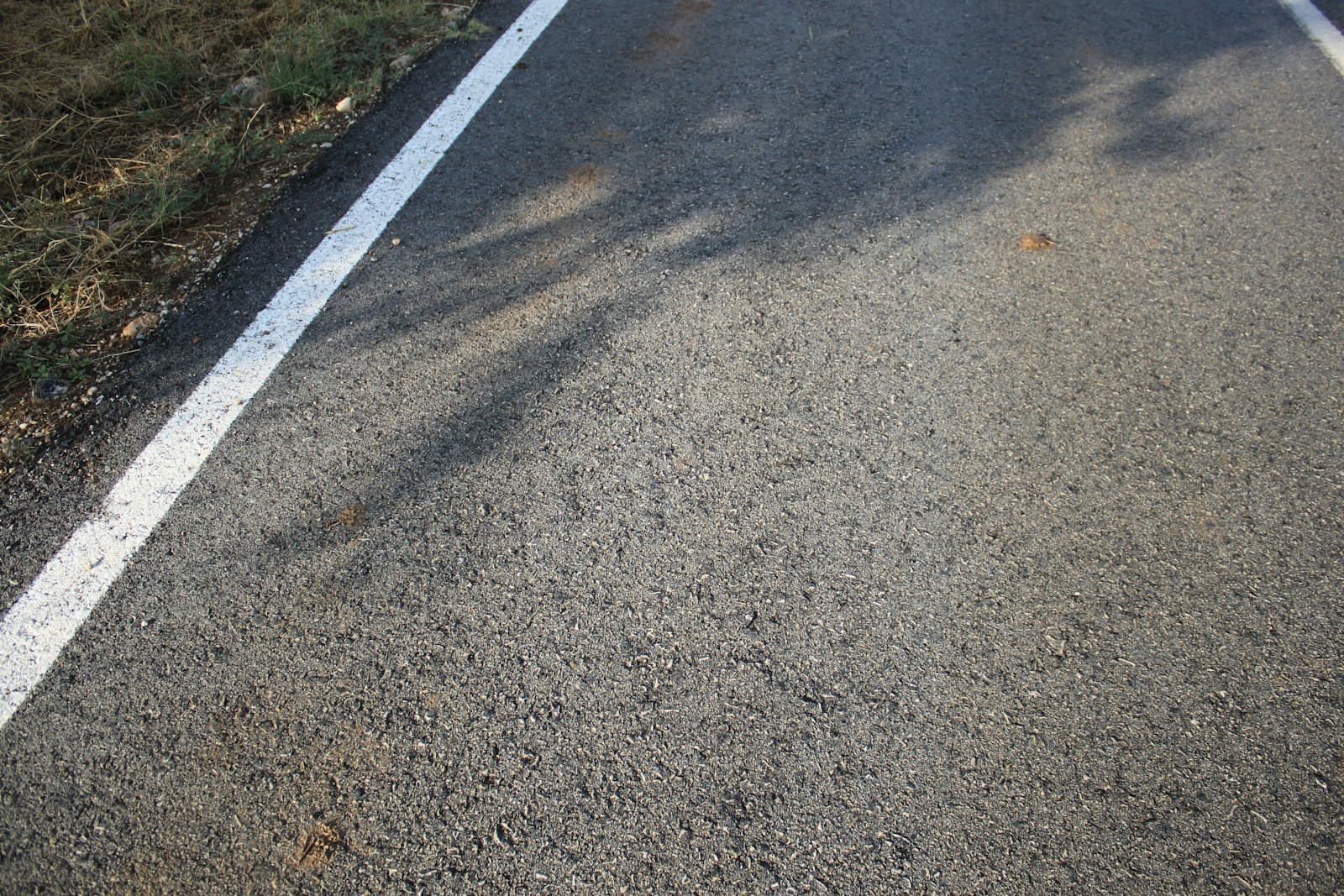
Sealcoating works best when pavement is aging, not failing.
- 01
The surface has turned gray
Oxidized, faded asphalt is losing the binder that holds it together. Sealing slows that loss.
- 02
Light surface wear, solid base
Minor raveling and a few fine cracks on a structurally sound lot are the ideal time to seal.
- 03
Oil and fuel staining
Stalls, dumpster pads and loading areas take chemical wear that a sealer helps protect against.
- 04
You are about to restripe
Sealing before striping gives you the cleanest result and covers faded old lines.
- 05
When not to seal
If the base has failed or the surface is badly cracked and broken, sealer will not hold. That calls for repair, mill and overlay or paving instead.
Process
Our sealcoating process
- 01
Inspect and scope
We look at the surface and base, identify repairs that must happen first, and confirm whether sealing is the right treatment.
- 02
Repair and seal cracks
Failed areas are patched and cracks are sealed before the surface is coated.
- 03
Clean and prepare
The lot is swept and cleaned. Oil spots and contaminated areas are treated so the sealer bonds.
- 04
Apply the sealer
Sealer is applied in the specified coats, with edges and tight areas finished by hand. Barricades keep traffic off.
- 05
Cure and stripe
Once the sealer has cured, the lot is restriped and opened to traffic.
Phoenix factors
Sealcoating in the Phoenix climate
UV is the main enemy
Phoenix sun oxidizes asphalt faster than most climates. A sealer is a sacrificial layer that takes that exposure instead of the pavement itself.
Heat and cure times
Sealer, temperature and humidity interact. Hot, dry weather can speed curing but also affects application. We schedule and set closure windows with that in mind.
Plan around monsoon
Sealer needs time to cure before rain. We schedule outside storm risk and watch the forecast rather than coating into it.
Tenants come first
We phase the work and set closure windows so businesses keep as much access as possible.
Cost
What affects sealcoating cost
Sealcoating is priced by area, but several factors move the price per square foot.
- Total area
- Square footage of pavement being coated, and how cut up the lot is.
- Surface condition and prep
- Heavily oxidized or contaminated pavement needs more cleaning and preparation.
- Crack sealing and repairs first
- These are priced separately and should happen before sealing.
- Coats and product
- The number of coats and the type of sealer specified.
- Access and phasing
- Closures, after-hours work and the need to keep sections open for tenants.
- Restriping afterward
- A fresh layout once the sealer has cured.
FAQ
Sealcoating FAQs
How often should a commercial parking lot be sealcoated?
It depends on traffic, sun exposure and the product used. We assess the surface rather than apply a fixed schedule, and will tell you when a lot does not need sealing yet.
How long until we can drive on it?
Cure time depends on temperature, humidity and product. We give a specific closure window in the estimate and barricade the area so traffic stays off until it is ready.
Can you seal brand-new asphalt?
Not right away. New asphalt needs time to cure first. We will advise on the right timing for your lot.
Is sealcoating worth it, or should I wait?
On sound pavement, sealing early costs far less than repair later. On pavement that is already failing, it is not worth it. A site review tells us which you have.
Does sealcoating fill cracks?
No. Cracks should be sealed before the surface is coated. See our crack sealing page for how that works.
Will sealcoating cover my old stripes?
Yes, which is why striping is the final step. We restripe once the sealer has cured.
What sealer do you use?
Commercial pavement sealer suited to asphalt. The product and number of coats are specified in your estimate.
Protect your pavement
Tell us about your property and the work you have in mind. You will get a clear scope and a detailed proposal.
Serving the Phoenix metro
Phoenix, Scottsdale, Mesa, Tempe, Chandler, Gilbert, Glendale, Peoria, Surprise, Goodyear, Queen Creek, Tolleson
See the full service area