Maintenance
Asphalt Crack Sealing in Phoenix
Prefer to talk? Call (480) 533-5377
Request a free estimate
Tell us about your property. We take it from there.
What it is
What crack sealing is, and how it differs from crack filling
Crack sealing places a flexible sealant in and over a crack so water and debris cannot get into the base. It is aimed at cracks that move with temperature changes, where the sealant has to stretch and recover.
Crack filling is the term for treating smaller, more stable cracks, often with a simpler method. The line between the two depends on how wide the crack is and how much it moves, and we choose based on what your pavement is doing.
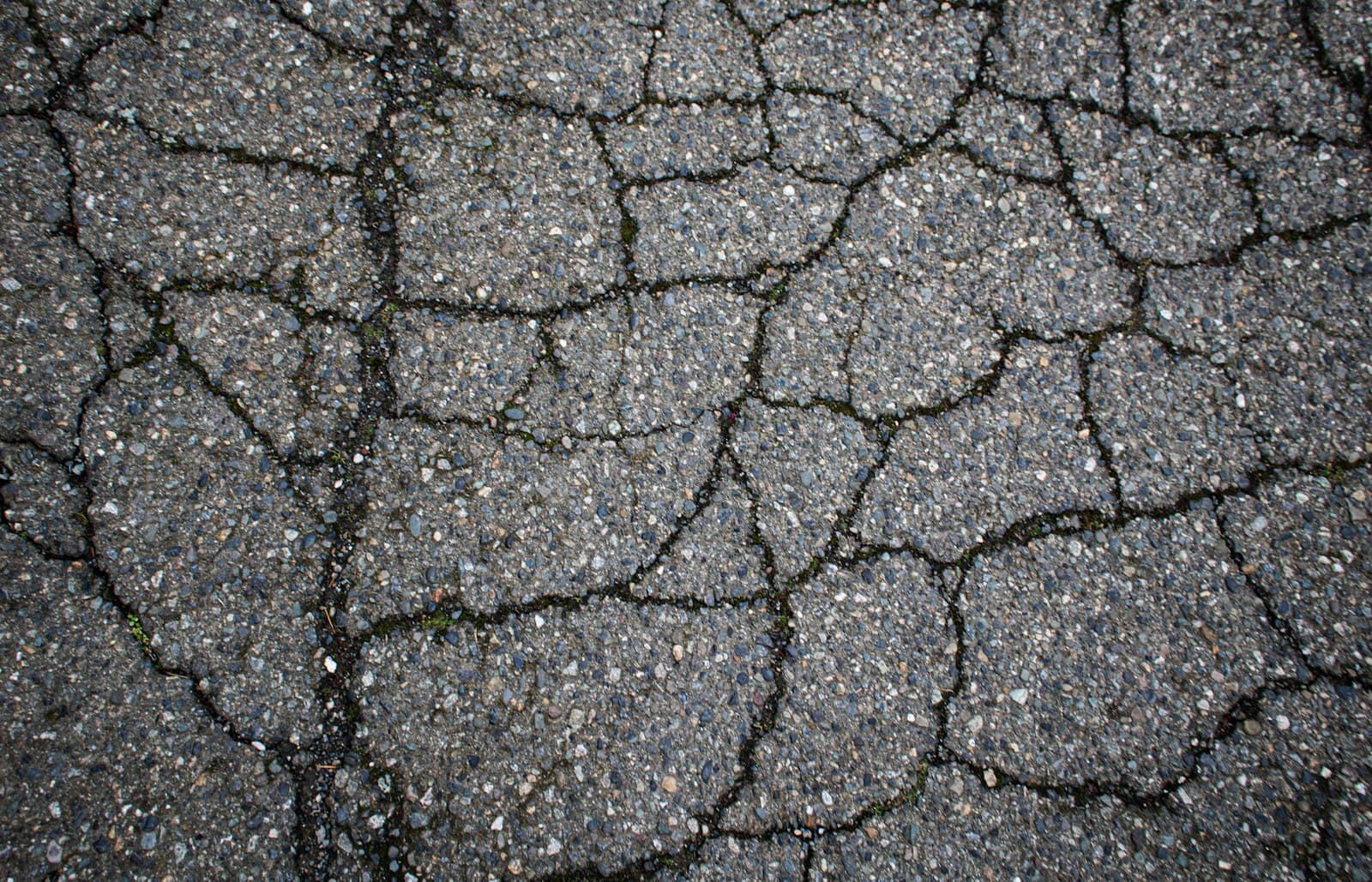
Neither fixes a failed base. When cracks are connected in a pattern, known as alligator cracking, the area needs to be repaired instead.
When you need it
When your parking lot needs crack sealing
Crack sealing pays off most when it happens before the damage spreads.
- 01
Cracks are visible and open
If you can see them from standing height, water can get through them.
- 02
Before sealcoating
Sealer does not fill cracks, so they should be sealed first to get the full benefit of the sealcoat.
- 03
After monsoon season
Storms show you which cracks let water through. Sealing them before the next season keeps the base dry.
- 04
Along joints and edges
Where asphalt meets concrete, curbs and gutters, joints open and need sealing to stay watertight.
- 05
When not to rely on it
Pattern or alligator cracking means the base is failing. Sealing it hides the problem; repair solves it.
Process
Our crack sealing process
- 01
Survey the cracks
We identify which cracks need sealing and which areas are too far gone and need repair instead.
- 02
Clean the cracks
Dirt, debris and moisture are removed so the sealant can bond to the crack walls.
- 03
Prepare where needed
Where the method calls for it, cracks are routed to create a clean reservoir for the sealant.
- 04
Apply the sealant
Hot-applied rubberized sealant is placed into the crack and finished so it is level and does not track.
Phoenix factors
Why crack sealing matters in Phoenix
Heat cycles move pavement
Hot days and cooler nights expand and contract asphalt. Cracks open and close, which is why flexible sealant matters.
Monsoon is the real test
Storm water finds every unsealed crack. Water in the base is what turns a hairline crack into a pothole.
Dry conditions help
Cracks need to be clean and dry for sealant to bond, and most of the Phoenix year offers those conditions. We avoid sealing ahead of rain.
Pairs with other work
Sealing cracks before sealcoating and restriping gets the most out of each dollar.
Cost
What affects crack sealing cost
Crack sealing is usually priced by the linear foot of crack, and several factors change that number.
- Total crack length
- How much crack there is, and how it is spread across the lot.
- Crack width and condition
- Wider or broken-edge cracks take more material and prep.
- Method
- Routing and sealing costs more than simply cleaning and filling.
- Sealant material
- The type of sealant specified.
- Access and phasing
- Work around tenants and traffic.
- Bundling
- Crack sealing combined with sealcoating or repair is more efficient than a separate visit.
FAQ
Crack Sealing FAQs
How often should cracks be sealed?
Whenever new cracks open or old sealant fails. Many properties build crack sealing into their regular maintenance cycle, ahead of sealcoating.
Is crack sealing worth the cost?
On pavement that is still sound, yes. It is one of the cheapest ways to keep water out of the base and delay larger repairs.
What is the difference between crack sealing and sealcoating?
Crack sealing fills specific cracks. Sealcoating protects the whole surface. They work together, and cracks are sealed first.
How long does crack sealant last?
It depends on how much the crack moves and on the material. When sealant wears out or lifts, the crack should be sealed again.
What if my pavement has alligator cracking?
Interconnected cracking means the base under that area has failed. Sealing will not hold. That area should be repaired.
Why seal cracks before sealcoating?
Sealer does not fill cracks. If they are left open, water still gets into the base, and the sealcoat does less than it should.
Stop water getting in
Tell us about your property and the work you have in mind. You will get a clear scope and a detailed proposal.
Serving the Phoenix metro
Phoenix, Scottsdale, Mesa, Tempe, Chandler, Gilbert, Glendale, Peoria, Surprise, Goodyear, Queen Creek, Tolleson
See the full service area